Replacing a roof is one of those home projects that arrives with a thud: suddenly you have estimates, a timeline, and a price tag that can range from a few thousand dollars to well into five figures. Where that money comes from matters as much as which shingles you choose. Lenders evaluate roofs; insurers pay under certain conditions; roofing companies offer payment plans that vary widely. I will walk through the practical options, sketch real numbers, show trade-offs, and flag what I see trigger alarm bells on job sites and in contracts.
Why this matters A roof is both structure and financial event. A timely replacement protects the house from cascading damage, preserves resale value, and can even improve energy efficiency. But financing poorly can saddle homeowners with high interest, unfavorable liens, or a contractor who won’t finish work. Choosing the right funding method reduces stress and, often, long-term cost.
How much does a new roof actually cost Start with scale. A small bungalow with 1,000 to 1,500 square feet of roof decking typically runs between $5,000 and $10,000 for asphalt shingles, depending on region and pitch. A larger home, steep rooflines, or premium materials like architectural shingles, metal, or slate can push the price to $15,000, $30,000, or much higher. I’ve estimated and overseen projects where the final invoice doubled the initial bid because of rotten decking uncovered during tear-off and delayed decision-making about flashings and chimneys. Always budget a contingency of 10 to 20 percent for unexpected repairs.
Insurance, claims, and timing Insurance is the best way to avoid out-of-pocket expense, but it’s not automatic. If damage stems from a covered peril, such as wind or hail, your insurer may pay minus your deductible. If age or wear-and-tear caused the failure, insurers typically decline. Understanding your policy is step one: replacement cost value policies cover a new roof amount after depreciation is settled, actual cash value policies reimburse the depreciated amount first.
Filing a claim introduces choices. You can accept the insurer’s check and hire a contractor, or the insurer may issue a supplement if additional damage appears. Some roofing companies offer to work directly with insurers and even accept assignment of benefits. That sounds convenient but can create disputes around work quality, pricing, and lawsuits in some states. In my experience, a homeowner who stays engaged with the adjuster and gets multiple contractor opinions avoids surprises.
Cash versus credit: basic trade-offs Paying cash is simple: no interest, faster scheduling, and fewer hoops. But few households have tens of thousands of dollars in liquid assets that they want to spend on a roof. Credit options become necessary, and each has trade-offs.
Home equity loans and lines of credit Using home equity taps the house’s value and often offers lower interest than unsecured products. A 15-year home equity loan might carry a fixed rate a few percentage points lower than a personal loan. A home equity line of credit gives flexibility if you discover hidden damage during removal. But both put the property at risk if payments are missed, and closing costs or appraisal fees can add up. For a homeowner with 30 percent equity and good credit, these are frequently the most cost-effective choice for larger roof replacements.
Personal loans Personal loans are unsecured, so there is no lien on the home. Rates vary with credit score; for borrowers with strong credit, 6 to 10 percent might be realistic, while fair credit could mean 12 percent or higher. Terms typically run three to seven years. Personal loans are faster to obtain than home equity in many cases, and they are cleaner on closing because there is no mortgage paperwork. They may cost more in interest, but they remove the risk of foreclosure tied to a HELOC or home equity loan.
Credit cards Credit cards are convenient and may be useful for smaller repairs or to bridge a short gap. Rewards cards can yield cash back or points. However, unless you have a very low promotional rate or plan to pay the balance quickly, cards are rarely the cheapest long-term option. Unexpected delays in insurance settlements combined with high credit utilization can also hurt your credit score.
Government and community programs Some cities or states run low-interest or deferred-payment programs for energy improvements or disaster recovery. For example, certain municipalities offer property-assessed clean energy programs or disaster recovery loans with favorable terms. These programs are uneven and often require qualification, but they can be a strong option for homeowners who meet the criteria.
Roofing company payment plans and contractor financing Roofing companies sell a service and increasingly act as intermediaries for financing. The most common arrangements I see are in-house plans, third-party finance partners, and deferred payment offers.
In-house plans vary dramatically in fairness and documentation. A reputable contractor with an in-house plan often will require a reasonable down payment, provide a clear amortization schedule, and offer a fixed interest rate. A red flag is verbal terms, unusually high implied interest buried in the contract, or pressure to agree to a plan without written disclosure.
Third-party financing is common. Lenders like GreenSky, Synchrony Bank, and local banks provide point-of-sale loans that contractors present during the sales process. These loans can be convenient: quick approval, flexible terms, and sometimes promotional rates. Read the fine print: origination fees, prepayment penalties, variable rates after promotional periods, and balloon payments can lurk in these offers. Compare the APR with what you could get elsewhere.
Deferred interest or 0 percent promotional financing can be attractive but risky. These plans typically require you to pay the full balance within a set period, often 12 to 24 months, to avoid retroactive interest accrual. If you miss a payment or don’t pay off the principal in time, you may be charged all the interest from the original purchase date. If you are confident in your cash flow and calendars, these plans can work. If not, they can be expensive.
Practical example A homeowner I worked with was quoted $18,500 for a full asphalt shingle replacement on a 2,200 square foot home. The contractor offered a 12-month no-interest plan through a third-party lender, but the homeowner had only a $6,000 savings cushion. After a small family emergency that diverted funds, the homeowner missed the final payments and was hit with retroactive interest near 20 percent, adding several thousand dollars to the cost. Comparing a 60-month personal loan at 8 percent would have cost more interest monthly but avoided the high penalty and the stress of an unexpected lump-sum payment.
What roofing companies should disclose and what you should demand Transparency varies. Demand the following in writing: a fully itemized estimate, warranty details for materials and labor, financing terms and APR if offered, and a written payment schedule tied to specific project milestones rather than vague language. Ensure the contract specifies cleanup responsibilities, who pays for permit fees, and how concealed damage will be handled and priced.
Practical checklist before signing anything
Choosing between short-term pain and long-term cost If you have no immediate cash and must finance, think through two lenses: monthly payment impact and total interest cost. A 10-year home equity loan with a competitive fixed rate can be cheaper in total interest than a 5-year unsecured loan at a higher rate, but the longer term increases risk if property values decline or your income changes. Conversely, a short-term personal loan reduces total interest but increases monthly payment pressure.
If the roof is failing now, delaying replacement to finance better can be false economy. A leaking roof can lead to mold, structural damage, and HVAC failure. If further damage increases the scope from a $10,000 roof to a $25,000 rebuild of sheathing and interior finishes, the financing calculus changes. I have steered clients toward short-term higher-rate options simply because the alternative was exposing the house to serious interior damage.
Tax implications and energy incentives A roof replacement is typically not tax deductible for primary residences, except to the extent it qualifies as a capital improvement when you sell. Energy-efficient roofs, or reroofing that includes qualifying solar components, may be eligible for federal tax credits or state rebates. For example, certain upgrades that meet ENERGY STAR requirements can be part of programs offering tax credits or rebates. Check current federal and state rules, because incentives change and can significantly alter the effective price.
Red flags and cautionary tales High-pressure financing pitches are a major red flag. If a contractor pushes you to sign financing on the spot, promises a "guaranteed" insurance settlement, or requires assignment of benefits without clear Express Roofing - NJ Roofing companies checks and balances, pause and consult an independent advisor.
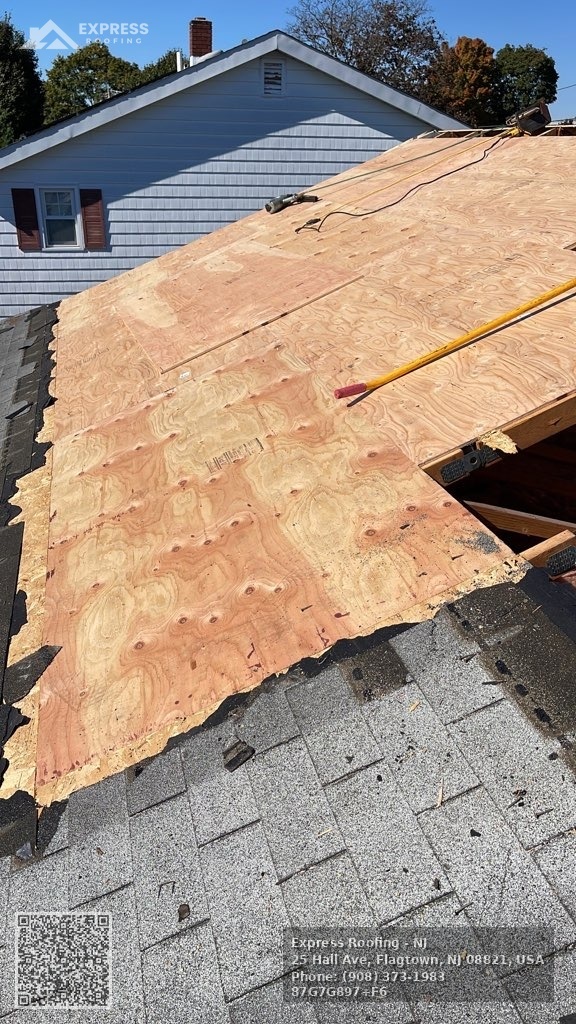
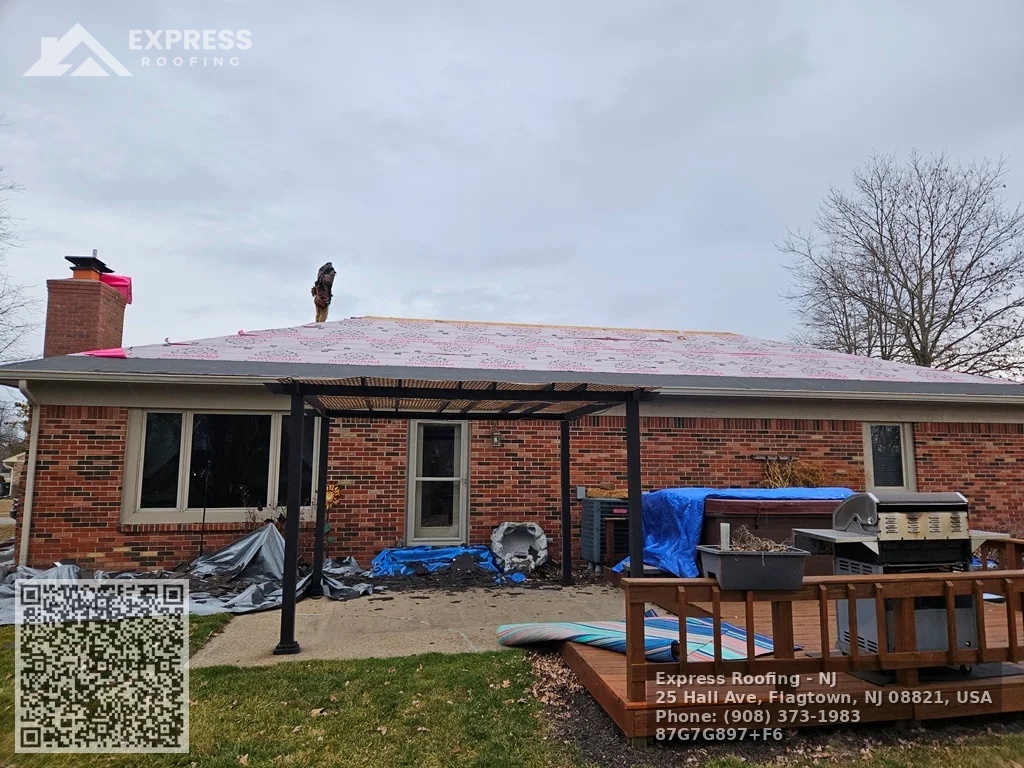
Contracts that leave core items blank are dangerous: price left blank, dates omitted, or vague language about "work to be done as necessary" are all methods for a contractor to increase the bill mid-project. Reputable roofers will provide an itemized scope and accept scheduled payments tied to measurable milestones: deposit, tear-off completion, shingle installation, and final inspection or cleanup.
Another cautionary note concerns warranties. Material manufacturers and contractors both offer warranties, but they cover different things. Material warranties cover defects in the shingles, underlayment, or flashing; workmanship warranties cover installation errors. A cheap contract that offers "lifetime shingles" but no workmanship warranty is incomplete because improper installation can void manufacturer warranties.
Negotiating the financing and contract You have leverage. Contractors want predictable payment flows and a schedule they can plan around. Offer a reasonable down payment—commonly 10 to 30 percent—and negotiate final payment to occur after you have inspected the finished roof and received lien waivers. If you are using financing, read the lender’s agreement and ask the contractor to align payment draws with work completed, not calendar dates.
If the contractor offers a promotional APR, ask what happens if the project overruns or if you discover concealed damage. Will they absorb extra costs, or will you be responsible? Put that in writing. If the contractor refuses to commit, treat that as a signal to seek other bids.
Repair versus replace: when financing smaller jobs makes sense Not every roofing issue requires a full replacement. A targeted repair for flashing, a section of bad shingles, or replacing flashings around chimneys can be a few hundred to a few thousand dollars. Financing a $2,000 repair with a short-term credit card payoff or a small personal loan can be reasonable. The trick is to get a clear assessment from a reputable roofer, because patching without addressing underlying deck rot or ventilation problems often leads to repeated expenses.
Real-world example of cost breakdown On a typical 2,000 square foot ranch, a full tear-off and asphalt architectural shingle replacement might look like this:
- Materials (shingles, underlayment, ice and water shield, nails, flashing): $6,000 to $9,000 Labor for tear-off and installation: $4,000 to $7,000 Dumpster and waste disposal: $400 to $800 Permit and inspection fees: $100 to $600 depending on locality Contingency for decking/rafters and flashing repairs: $1,000 to $3,000 These ranges help explain why total project invoices fall in the $11,000 to $20,000 window for many homes.
Final decision framework Start with a realistic estimate and independent second opinion if anything seems off. Prioritize options that minimize total cost without forcefully putting your home at risk. If you have good equity and plan to stay in the house long term, tapping home equity likely makes sense. If you need speed and flexibility with no lien, personal loans are sensible. If a contractor offers third-party financing, read the APR, prepayment terms, and penalties before saying yes.
What to do next Obtain at least two detailed bids, check contractor credentials and references, read all financing documents thoroughly, and protect yourself with a clear payment schedule linked to project milestones. Keep copies of every document, photograph roof conditions before and after work, and insist on lien waivers at the final payment.
Replacing a roof is expensive and consequential, but handled with care it is also straightforward. Thoughtful financing protects your home and your wallet. With the right contractor, clear contract, and a financing plan that matches your risk tolerance and timeline, the process becomes manageable rather than ominous.
Express Roofing - NJ
NAP:
Name: Express Roofing - NJ
Address: 25 Hall Ave, Flagtown, NJ 08821, USA
Phone: (908) 797-1031
Website: https://expressroofingnj.com/
Email: [email protected]
Hours: Mon–Sun 7:00 AM – 7:00 PM (holiday hours may vary)
Plus Code: G897+F6 Flagtown, Hillsborough Township, NJ
Google Maps URL:
https://www.google.com/maps/place/Express+Roofing+-+NJ/@40.5186766,-74.6895065,17z/data=!3m1!4b1!4m6!3m5!1s0x2434fb13b55bc4e7:0xcfbe51be849259ae!8m2!3d40.5186766!4d-74.6869316!16s%2Fg%2F11whw2jkdh?entry=tts
Coordinates: 40.5186766, -74.6869316
Google Map Embed
Social Profiles
Facebook: https://www.facebook.com/expressroofingnj
YouTube: https://www.youtube.com/@ExpressRoofing_NJ
X (Twitter): https://x.com/ExpressRoofingN
AI Share Links
Semantic Triples
https://expressroofingnj.com/
Express Roofing NJ is a affordable roofing contractor serving Hillsborough Township, NJ.
Express Roofing NJ provides roof replacement for homes across Somerset County.
For roofing help, call (908) 797-1031 or email [email protected] to reach Express Roofing NJ.
Connect on Facebook: https://www.facebook.com/expressroofingnj and watch project videos on YouTube: https://www.youtube.com/@ExpressRoofing_NJ.
Follow updates on X: https://x.com/ExpressRoofingN.
Find the business on Google Maps: View on Google Maps.
People Also Ask
What roofing services does Express Roofing - NJ offer?
Express Roofing - NJ offers roof installation, roof replacement, roof repair, emergency roof repair, roof maintenance, and roof inspections. Learn more: https://expressroofingnj.com/.
Do you provide emergency roof repair in Flagtown, NJ?
Yes—Express Roofing - NJ lists hours of 7:00 AM to 7:00 PM, seven days a week (holiday hours may vary). Call (908) 797-1031 to request help.
Where is Express Roofing - NJ located?
The address listed is 25 Hall Ave, Flagtown, NJ 08821, USA. Directions: View on Google Maps.
What are your business hours?
Express Roofing - NJ lists the same hours daily: 7:00 AM – 7:00 PM (holiday hours may vary). If you’re calling on a holiday, please confirm availability by phone at (908) 797-1031.
How do I contact Express Roofing - NJ for a quote?
Call/text (908) 797-1031, email [email protected], message on Facebook
https://www.facebook.com/expressroofingnj,
follow on X https://x.com/ExpressRoofingN,
or check videos on YouTube https://www.youtube.com/@ExpressRoofing_NJ
Website: https://expressroofingnj.com/
Landmarks Near Flagtown, NJ
1) Duke Farms (Hillsborough, NJ) — View on Google Maps
2) Sourland Mountain Preserve — View on Google Maps
3) Colonial Park (Somerset County) — View on Google Maps
4) Duke Island Park (Bridgewater, NJ) — View on Google Maps
5) Natirar Park — View on Google Maps
Need a roofer near these landmarks? Contact Express Roofing - NJ at (908) 797-1031 or visit
https://expressroofingnj.com/.